
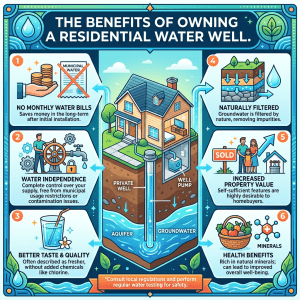
 Let’s talk about seasonal well maintenance. This is important because owning a private well in Southern Maryland offers many benefits: independence, control over your water quality, and long-term savings. But it also comes with responsibility. One of the most overlooked factors in keeping your system running smoothly is how the changing seasons impact your well.
If you’ve lived in Southern Maryland long enough, you already know how unpredictable the weather can be. From heavy spring rains to dry summer spells and freezing winter temperatures, each season places different demands on your well system.
That’s why seasonal well maintenance in Southern Maryland isn’t just a good idea—it’s essential to maintaining a healthy water well system.
This guide breaks down exactly how each season affects your well and what you can do to keep your system performing at its best year-round.
Why Seasonal Well Maintenance Matters in Southern Maryland
Your well system isn’t isolated—it’s directly connected to the surrounding environment. Groundwater levels, soil conditions, and even nearby land use all shift throughout the year.
According to your existing content, regular testing, inspections, and awareness of contaminants are critical to maintaining water quality and protecting your home. Seasonal changes amplify those risks.
Here’s what’s really happening behind the scenes:
- Rainfall affects groundwater recharge and contamination risk
- Temperature changes impact pipes, pressure, and equipment
- Dry periods strain your pump and water supply
- Soil movement can affect well structure and casing
Without a plan for seasonal well maintenance in Southern Maryland, small issues can quickly turn into expensive repairs—or worse, unsafe water.
Spring: Recharge, Runoff, and the Best Time to Inspect
Spring is one of the most important seasons for your well—and often the most overlooked.
What Happens in Spring
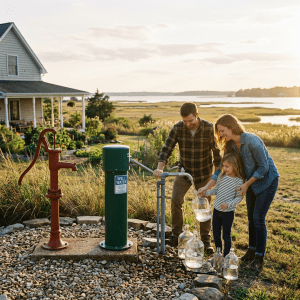
Southern Maryland typically sees:
- Heavy rainfall
- Rising groundwater levels
- Increased surface runoff
While this helps recharge your well, it also introduces risk.
Runoff can carry:
- Bacteria
- Fertilizers and nitrates
- Sediment and debris
As noted in our contamination article, these pollutants are among the most common threats to private wells.
What to Watch For
- Cloudy or muddy water
- Changes in taste or smell
- Sudden drop in water quality
- Pooling water around the wellhead
What To Do
Spring is the best time of year for: 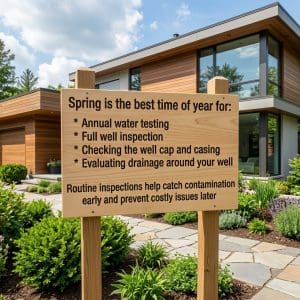
- Annual water testing
- Full well inspection
- Checking the well cap and casing
- Evaluating drainage around your well
Routine inspections help catch contamination early and prevent costly issues later.
Pro Tip for Southern Maryland Homeowners
If your property is near farmland or wooded areas, you’re at higher risk for runoff contamination. Spring testing is non-negotiable.
Summer: Heat, Drought, and Increased Demand
Summer brings a completely different set of challenges.
What Happens in Summer
- Lower groundwater levels
- Increased water usage (irrigation, pools, livestock)
- Higher demand on your pump system
This is when many homeowners first notice pressure issues or reduced water flow.
What to Watch For
- Low water pressure
- Pump running longer than usual
- Air sputtering from faucets
- Dry or slow-recovering well
Your submersible pump works harder during this time, and without proper care, it can wear out faster.
What To Do
To stay ahead of summer issues:
- Monitor your water usage
- Avoid running multiple high-demand appliances at once
- Schedule a mid-year system check if usage is high
- Inspect your pressure tank and pump performance
Pro Tip
If your well struggles in late summer, it’s often an early warning sign—not something to ignore.
Fall: Preparation Season (The Most Underrated Step)
Fall is your opportunity to prepare your system before winter stress hits.
What Happens in Fall
- Groundwater levels begin stabilizing
- Temperatures start dropping
- Outdoor water use decreases
This makes it the ideal time to assess your system.
What to Watch For
- Minor pressure inconsistencies
- Sediment buildup from summer usage
- Early signs of equipment wear
What To Do
Fall is all about prevention:
- Schedule a professional inspection
- Flush your system if needed
- Check for corrosion or aging components
- Evaluate older piping systems
If your home still uses older materials like galvanized piping, this is the time to address it. Aging pipes can affect both water quality and pressure over time.
Pro Tip
Think of fall as your “tune-up” season. What you fix now won’t become a winter emergency.
Winter: Freezing Temperatures and System Stress
Winter in Southern Maryland may not be as harsh as farther north, but freezing temperatures still pose real risks.
What Happens in Winter
- Ground freezes
- Pipes contract
- Increased pressure on system components
What to Watch For
- Frozen or slow-moving water lines
- Sudden drops in pressure
- Strange noises from pipes or pumps
What To Do
To protect your system:
- Insulate exposed pipes
- Keep your well cap secure and sealed
- Monitor indoor plumbing for pressure changes
- Avoid unnecessary strain on your system
Pro Tip
Even a short freeze can cause damage. Prevention is always cheaper than repair.
Year-Round Best Practices for Seasonal Well Maintenance in Southern Maryland
While each season brings unique challenges, some habits should remain consistent year-round.
1. Test Your Water Annually (At Minimum)
Testing helps detect:
- Bacteria
- Nitrates
- Heavy metals
Early detection protects your health and your system.
2. Schedule Regular Inspections
Professional inspections identify:
- Equipment issues
- Structural concerns
- Early warning signs
3. Pay Attention to Changes
Your water will tell you when something’s wrong:
- Taste
- Smell
- Appearance
- Pressure
Don’t ignore these signals.
4. Protect Your Wellhead
Keep the area:
- Clean
- Elevated
- Free of chemicals and debris
5. Maintain Your Equipment
Your pump, pressure tank, and piping all need attention to ensure long-term performance. Learn more about the work of submersible pumps.
How Seasonal Well Maintenance Protects Your Investment
Your well isn’t just a utility—it’s a long-term investment in your home.
Proper seasonal well maintenance for Southern Maryland homeowners helps:
- Extend equipment lifespan
- Prevent costly emergency repairs
- Maintain consistent water pressure
- Protect water quality
- Preserve property value
As our earlier article highlights, a well-maintained system supports not only water quality but also your entire home’s plumbing and efficiency.
Final Thoughts
Seasonal changes in Southern Maryland don’t just affect the weather—they directly impact your water well system.
By staying proactive and following a seasonal well-maintenance plan in Southern Maryland, you can avoid unexpected issues, protect your water quality, and keep your system running efficiently year-round.
If you take away one thing, let it be this:
Your well works year-round—your maintenance plan should too.

Further Reading: Trusted Resources for Well Owners
If you want to go deeper into seasonal well maintenance, Southern Maryland homeowners should follow these trusted resources, which provide reliable, easy-to-understand guidance.
1. Private Well Maintenance and Testing Guidelines
Learn how often to test your well and what to test for to keep your water safe year-round.
-
U.S. Environmental Protection Agency (EPA):
https://www.epa.gov/privatewells/protect-your-homes-water
2. Seasonal Well Care and Flood Protection
Understand how weather events—especially heavy rain and flooding—can impact your well and what steps to take afterward.
-
Centers for Disease Control and Prevention (CDC):
https://www.cdc.gov/healthywater/drinking/private/wells/flooding.html
3. Groundwater and Contamination Risks
Explore how contaminants enter groundwater and why seasonal changes increase those risks.
-
U.S. Geological Survey (USGS):
https://www.usgs.gov/special-topics/water-science-school/science/groundwater-contamination
4. Well Water Testing and Safety Recommendations
A detailed guide on testing frequency, contaminants, and protecting your drinking water.
-
Maryland Department of the Environment (MDE):
https://mde.maryland.gov/programs/water/water_supply/Pages/wellowners.aspx
5. Drought and Water Supply Management
Learn how dry conditions affect groundwater levels and what that means for your well system.
-
National Integrated Drought Information System (NIDIS):
https://www.drought.gov/sectors/water-utilities
6. Protecting Your Wellhead from Contamination
Best practices for keeping your wellhead secure and preventing surface pollutants from entering your system.
-
National Ground Water Association (NGWA):
https://www.ngwa.org/what-is-groundwater/About-groundwater/well-owner-resources
7. Winterizing Your Well System
Steps you can take to protect your well and plumbing from freezing temperatures.
-
Penn State Extension (widely trusted for well guidance):
https://extension.psu.edu/winterizing-your-water-system

0 Comments